

Content
Our main goal is to help you along your recovery journey and get you the help you need. Patients experience one-on-one psychological dependence on alcohol therapy sessions with a licensed therapist to provide a safe and private place to recover and heal.
- At Recovered, we recognize the impact COVID-19 has had and the continued challenges it poses to getting advice and treatment for substance use disorders.
- Another difference between physical and psychological addiction is the driving force behind compulsive behavior.
- The World Health Organization also wanted to replace the medical designation of “addiction” with the word “dependence” back in 1964 .
- Understanding those differences can help determine the best course of treatment.
Using brain scanning and readings, we create a map of our patients’ brains, helping us develop more targeted and effective treatments. Cigarettes contain nicotine, which stimulates the release of dopamine. So, smoking induces a feeling of pleasure and relaxation, which can be addicting. Gambling is arguably the best example of behavioural addictions, and it was recently added to the DSM-5. Drugs such as heroin, cocaine, https://ecosoberhouse.com/ and even chocolate fall under the substance-related addiction category. Nicotine aids and stimulates the release of dopamine, the feel-good neurotransmitter, and it also stimulates the neuron receptors that respond to dopamine. Smoking induces a feeling of pleasure and general relaxation through this stimulation of dopamine, so we can see why the act of smoking and taking in nicotine can become addictive.
Alcohol Dependence, Withdrawal, and Relapse
Knapp DJ, Overstreet DH, Breese GR. Baclofen blocks expression and sensitization of anxiety-like behavior in an animal model of repeated stress and ethanol withdrawal. Medical detox involves the use of prescription and over the counter medications to help people throughout the detox process. Professional detox centers may even be able to eliminate many withdrawal symptoms, making the process as easy and as comfortable as possible. Feelings of “needing” drugs or alcohol to cope with daily stressors, go to sleep, be social, etc. Psychological dependence occurs when drugs or alcohol interfere with a person’s thoughts and emotions. Behavioral therapy is needed to address psychological dependence.
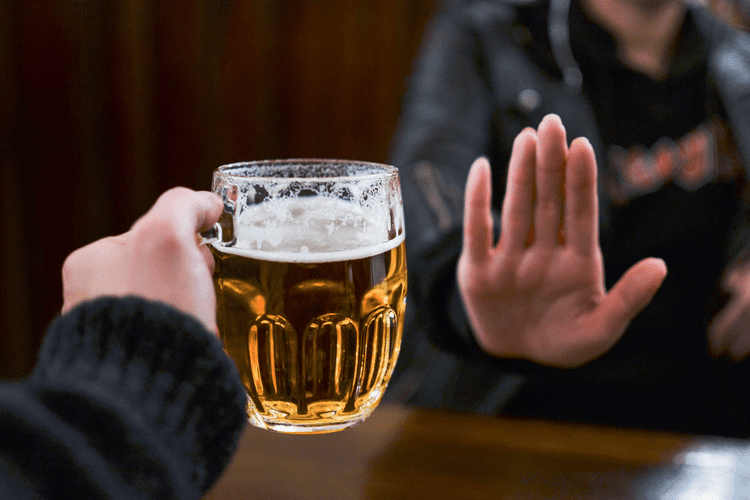
The DSM-IV defined abuse and dependence as two separate disorders. However, the most recent edition of the DSM no longer creates this distinction.
Contact StoneRidge Centers
Furthermore, people with psychological dependence will experience strong and recurring urges to use drugs, even when they want to stop. Alcohol dependence is thought to represent a persistent dysfunctional (i.e., allostatic) state in which the organism is ill-equipped to exert appropriate behavioral control over alcohol drinking. Although currently few treatments are available for tackling this significant health problem and providing relief for those suffering from the disease, there is hope.
What are the six stages of the addiction cycle?
- Initial use.
- Abuse.
- Tolerance.
- Dependence.
- Addiction.
- Relapse.
If you stop using opioids, your central nervous system goes into overtime, trying to rebalance itself without the help of drugs and you begin to experience physical withdrawal symptoms like vomiting, muscle aches, and rapid heart rate. Even though all addictions are defined by a loss of control, misusing different substances can affect people in different ways. Some addictions, for example, affect a person cognitively, changing the way their mind functions. Other addictions primarily affect the body, triggering adverse side effects and physical symptoms.
Using Narcotics to Cope With Life’s Problems
A brief, self-administered questionnaire sometimes utilised in individual or group treatments. The Alcohol Use Disorders Identification Test is considered the most accurate alcohol screening tool for identifying potential alcohol misuse, including dependence. It was developed by the World Health Organisation, designed initially for use in primary healthcare settings with supporting guidance. Alcohol dependence refers to an entity in which only alcohol is the involved addictive agent.